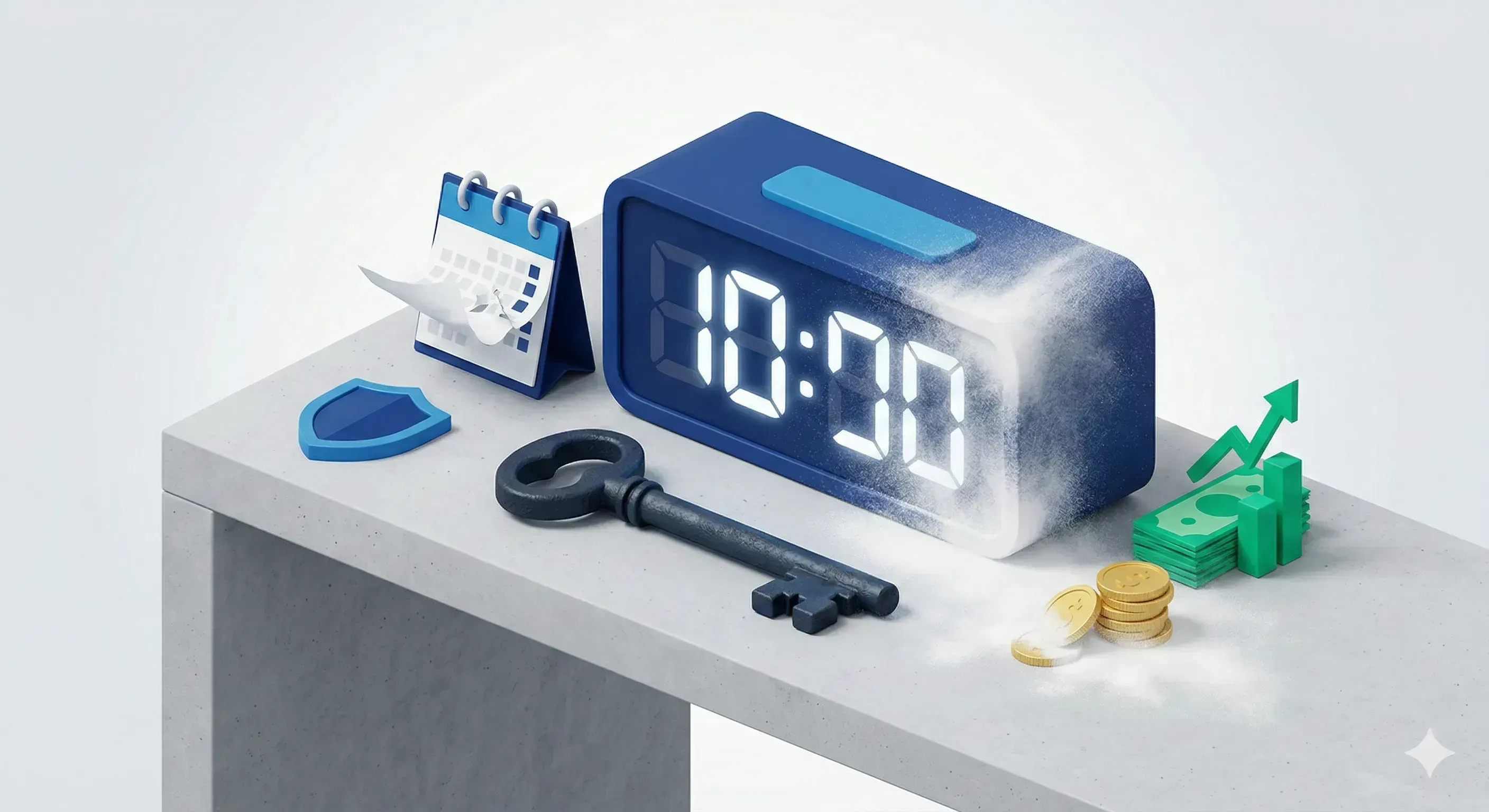
Debt prescription: When do they legally stop claiming from you?
💡 Quick Tip
Debts don't last forever, but the clock can reset if you aren't careful. Know the legal prescription periods for cards, loans, and mortgages. Learn to distinguish between expiration and prescription to defend your rights against debt collectors.
Time is on Your Side (Sometimes)
Prescription is the legal phenomenon where a debt stops being enforceable because the creditor hasn't taken action for a specific time. It doesn't mean the debt vanishes, but they can no longer force you to pay through a judge.
- Personal Loans: Usually prescribe after 5 years (varies by country).
- Mortgages: The period is much longer, often 20 years.
- The Interruption Trap: Any formal claim (certified mail) resets the clock to zero. Avoid recognizing the debt or making partial payments if you want to plead prescription.
📊 Practical Example
Imagine you stopped paying a $2,000 loan in 2020. The bank never sent a formal claim. In 2026, a collection agency demands the money. Since over 5 years passed without a formal claim, the debt has prescribed. If they sue, your lawyer will plead prescription and the judge will dismiss it. You saved $2,000 plus interest simply by knowing your legal rights.