How to claim abusive fees from your bank (and win the battle)
💡 Quick Tip
Your bank is not always right, nor does it always have the law on its side. Learn the step-by-step process to identify improper charges, write an effective claim, and go to the regulator to get your money back.
Do not assume the bank is right
Banks make mistakes, and sometimes apply collection policies bordering on illegality, hoping clients just pay out of ignorance or laziness. Central Banks have strict regulations on what can be charged. Defending your financial rights is key.
The most claimable fees
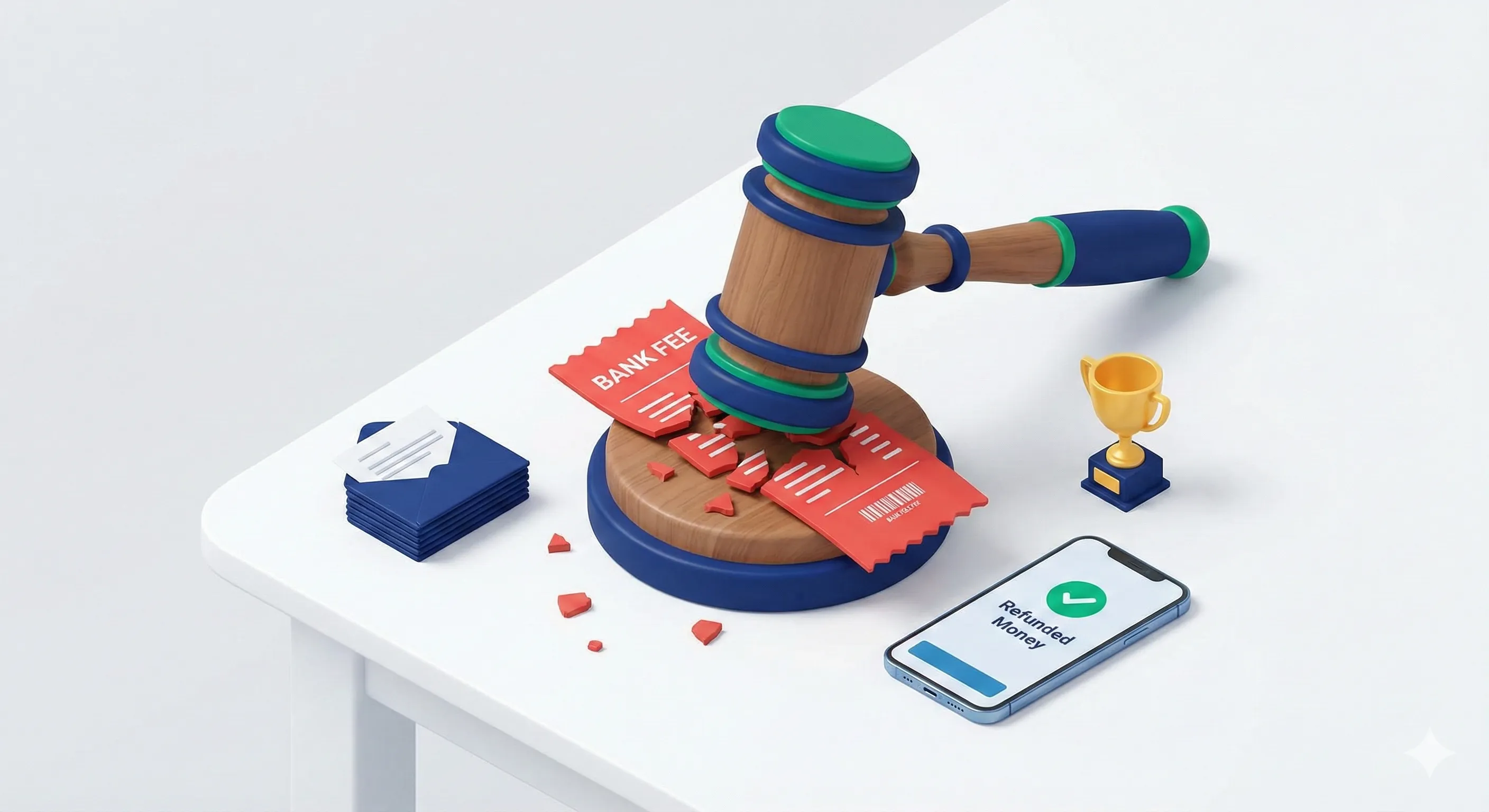
- Overdraft fee: The most abusive. If you go into the red, the bank charges interest (legal). But they also slap a flat fee (€30 or €40) "for notifying you". Courts consistently rule that without a verifiable notification (like a certified letter), they cannot charge this flat fee. They must refund it.
- Unnotified fees: If your account was free and they suddenly charge maintenance, law requires two months prior notice. If not given, demand a refund.
- Mortgage-linked insurance: Being forced to buy single-premium life insurance to get a mortgage is considered an abusive practice by European courts.
The step-by-step claim protocol
- Talk to your manager: Often, a formal complaint at the branch works. Managers can reverse fees to keep you from leaving.
- Customer Service (SAC): If the branch refuses, send a formal written complaint to the bank's SAC. They have a legal deadline to respond.
- The Central Bank: If SAC denies or ignores you, escalate the complaint to the Central Bank or national regulator. Their rulings aren't strictly binding, but banks almost always comply to avoid larger fines or lawsuits.
📊 Practical Example
Practical example with real numbers
A €50 phone bill hits your account a day before your payroll arrives. Your balance is -€10 for 24 hours.
The bank charges pennies in interest for those €10, plus a €35 fee for "unpaid debt management".
You write a formal letter to Customer Service stating that, according to jurisprudence, an automated charge without verifiable personal notification is improper.
In 15 days, you receive an email from the bank accepting your claim "as a commercial gesture" and refunding the €35. If you don't complain (and document it), you lose.