Cards for traveling without fees: The definitive guide
💡 Quick Tip
Avoid giving your money to banks when traveling abroad. Discover what hidden fees they charge you for paying in another currency, and learn strategies to save hundreds of euros on your vacations using specialized cards.
The lucrative currency exchange business
When you leave your currency zone and pay with your traditional bank card, you enter a field where banking makes a fortune. Paying for coffee or withdrawing cash in London, New York, or Tokyo can cost much more than the price tag.
Types of fees that ruin your trip
Your bank usually charges you in three different ways, often simultaneously:
- Currency exchange fee: A percentage (2% to 4%) on the total purchase amount just to convert your money.
- Inflated exchange rate: Instead of the official Mastercard or Visa rate, the bank applies its own rate, keeping an invisible profit margin.
- International ATM withdrawal fee: A flat fee plus a percentage for taking money from an out-of-network ATM.
The solution: Travel cards (Neobanks)
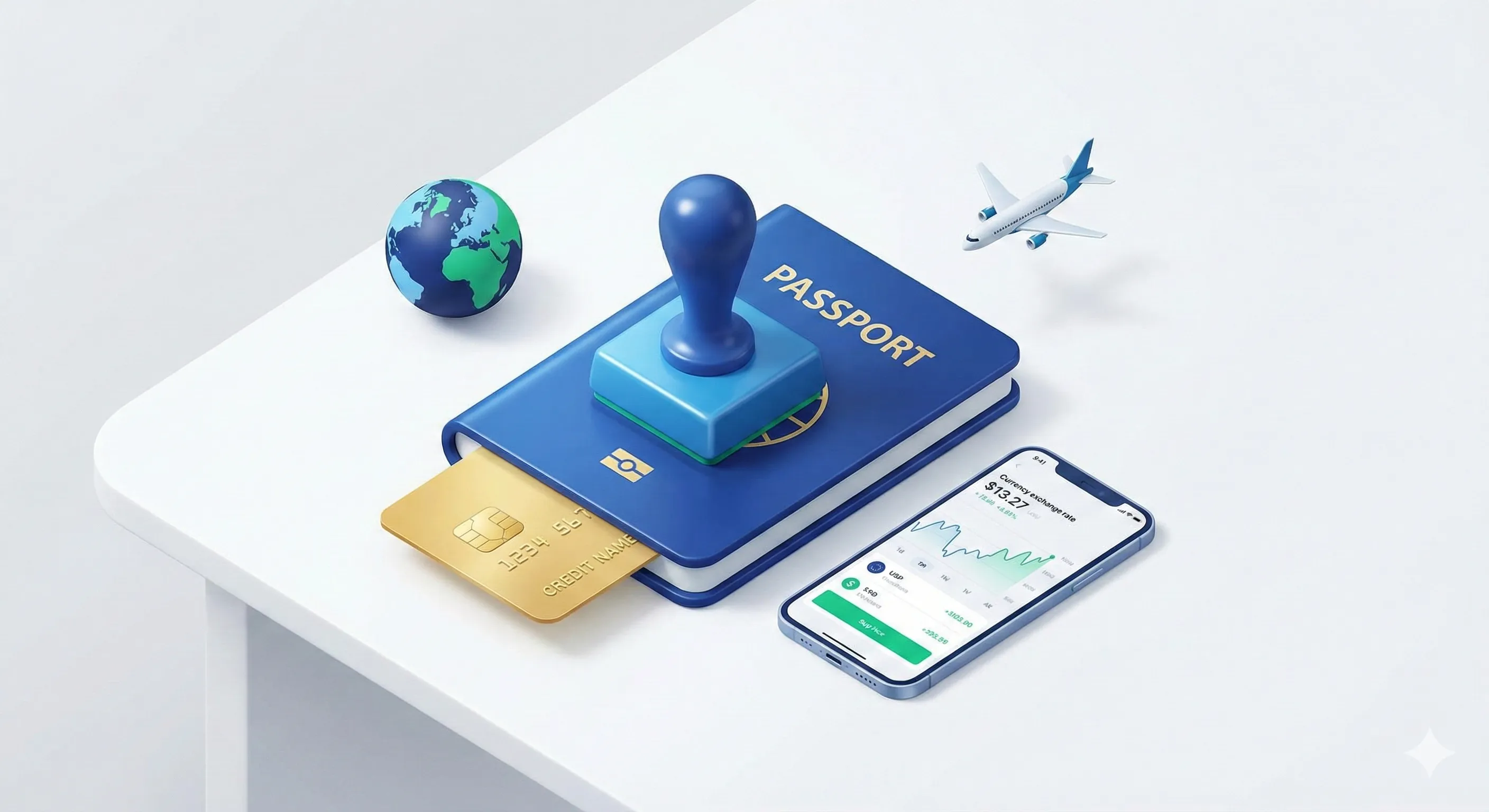
The smartest way to travel is to open a free account in a specialized neobank (like Revolut or N26) right before your trip.
These cards let you pay directly applying the real interbank exchange rate, without commercial margins. Furthermore, they usually offer a monthly limit of free ATM withdrawals worldwide. Just transfer your vacation budget to this card and use it as your safe travel wallet.
📊 Practical Example
Practical example with real numbers
You go to London and spend £1,000 (Pounds) on hotels and food.
- With your traditional bank: They apply a poor exchange rate and a 3% currency fee. Those £1,000 cost your account about €1,215.
- With a fee-free travel card: You pay exactly at the official exchange rate with no surcharges. Those same £1,000 cost €1,160.
Simply paying with a different, free card that took 10 minutes to set up saved you a clean €55 on a single trip. Money you can use for a nice dinner.