The Second-Hand Market: Buy Cheap to Save the Most
💡 Quick Tip
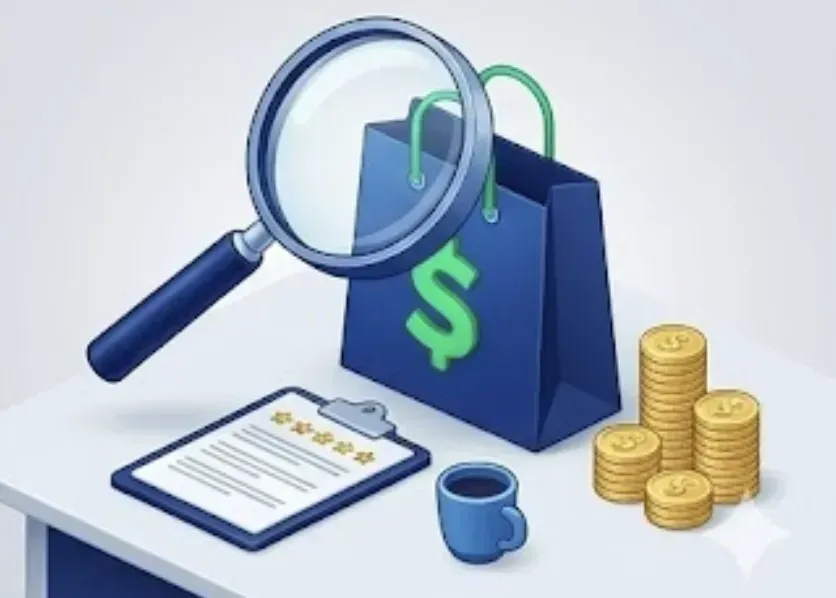
Discover how circular consumption can return hundreds of dollars to you each month. Learn to navigate second-hand platforms to buy high-quality technology, furniture, and clothes at a fraction of their original price, breaking the "used" stigma to strengthen your savings.
Smart Saving in the Circular Economy
In 2026, buying second-hand is no longer a matter of necessity, but of financial intelligence. Immediate depreciation is your best opportunity. By choosing "pre-loved" items, you avoid paying the retailer's margin and new product taxes, translating to direct savings of 40% to 80%.
Categories Worth the Effort
- Tech & Electronics: Smartphones or laptops from a year or two ago work excellently for half the cost.
- Furniture & Decor: Solid wood from the past is often better than today's particle board.
- Sports Equipment: Many people buy gym machines on impulse and sell them almost unused months later.
- Quality Fashion: Premium brands have high durability. Buying leather coats or shoes used is a massive saving decision.
Expert Tips
Patience is key; second-hand requires searching. Use platforms with protected payments and always check seller ratings. Selling what you don't use to finance your used purchases makes your consumption budget virtually neutral.
📊 Practical Example
Imagine you need to furnish a room and buy a laptop. New: Laptop ($800), Desk ($150), Chair ($200), and Shelf ($100). Total: $1,250. Second-hand: 18-month-old Laptop ($400), Wooden desk ($40), Premium chair ($70), and Shelf ($30). Total: $540. You saved $710 instantly. If your salary is $1,500 net, this gesture has "gifted" you almost half a month of work that you can fully allocate to your emergency fund.